How AI Chatbots Help Businesses Cut Costs and Grow Revenue
A practical look at how AI chatbots help businesses with 24/7 support, lower costs, and more leads, backed by real examples and a simple way to measure ROI.
 CodeLevel Team3 min read
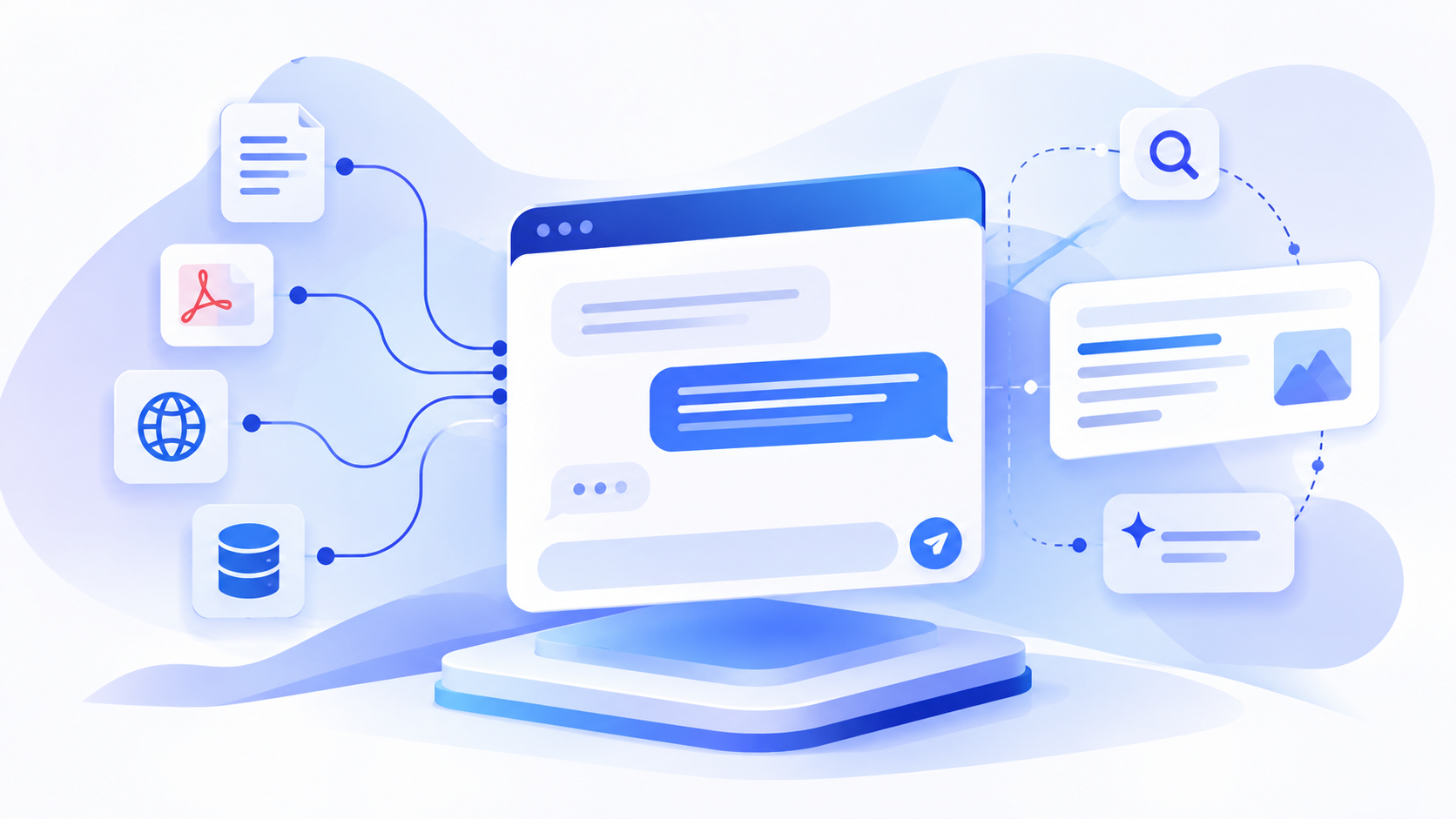
Customers expect an answer in seconds, while support teams are already stretched by repetitive questions. An AI chatbot for business now goes well beyond the scripted FAQ widgets of a few years ago. Powered by large language models, it can understand a question, pull the right information, and reply in natural language at any hour. Here is where that pays off.
Round-the-clock support, without the wait
Most support tickets are routine: order status, delivery timelines, password resets, policy questions. Zendesk estimates that AI chatbots can handle roughly 80% of such routine tasks. In one documented case, the retailer Manawa cut its average response time from 40 minutes to 1 minute while automating 80% of inquiries. That is 24/7 customer support without staffing a night shift.
Lower costs, more focused teams
When a chatbot takes the repetitive load, human agents can spend their time on complex or sensitive cases. Australian health insurer NIB reported a 60% reduction in human support needs after introducing AI-driven digital assistants, according to The Australian. Customer support automation doesn't have to mean fewer people. Often it means the same people solving harder problems.
More leads and better sales conversations
Chatbots can also earn revenue. A lead generation chatbot can greet visitors, ask qualifying questions, and recommend products or services. Skincare brand Tatcha saw AI-assisted conversations convert at three times its site average. One caveat: gains like this come from bots connected to live product data and able to act on it, not from a generic widget bolted onto a website.
Accuracy comes from your own data
That caveat is why architecture matters. A RAG chatbot retrieves answers from your own documents, product catalogue, or knowledge base before it responds. This reduces made-up answers and keeps replies consistent with company policy. It is the approach behind most reliable business assistants, and it sits at the core of CodeLevel's Generative AI and RAG services.
Getting started
Start with one high-volume use case, such as support FAQs or lead qualification, and measure resolution rate, response time, and customer satisfaction before expanding. For teams exploring wider automation, CodeLevel's AI and machine learning services cover what comes next.
FAQ
Will an AI chatbot replace human agents?
Not entirely. It handles routine queries and passes complex or sensitive cases to people.
How do I measure chatbot ROI?
Track the share of queries resolved without a human, first response time, cost per ticket, customer satisfaction, and conversion on chatbot-assisted sessions.
How long does it take to build one?
It depends on the use case, integrations, and the quality of your source data. A single focused use case is much faster than a company-wide rollout.

Written by
CodeLevel Team
Engineers and product people building web, mobile, and AI products at CodeLevel.